
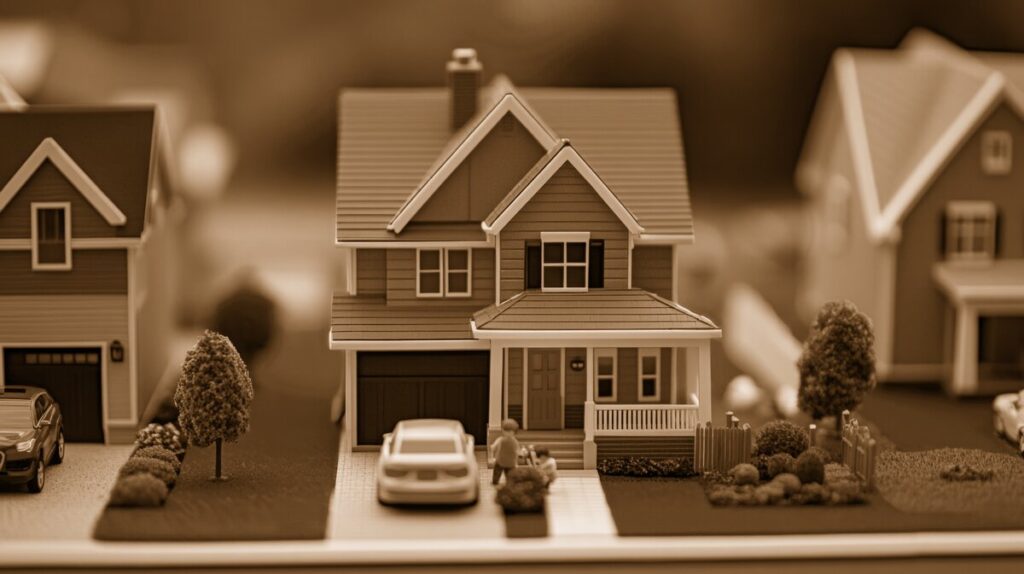
Nestled within the vibrant community of Brighton, NY, the Bel‑Air neighborhood stands as a testament to the spirit of mid-century optimism and suburban growth. With its tree-lined streets, unique homes, and welcoming atmosphere, Bel‑Air is more than a collection of houses—it’s a place where generations have built not just lives, but treasured memories. As a longtime resident, let me walk you through the rich history and lasting legacy of our beloved Bel‑Air.
The Origins of Bel‑Air
The story of Bel‑Air begins in the post-World War II era, a period that reshaped American suburbs across the nation—and Brighton was no exception. In the late 1940s and early 1950s, as returning veterans and their families sought comfortable, convenient places to settle, local developers saw the potential in Brighton’s gently rolling farmland.
Bel‑Air’s name itself was chosen to evoke an air of elegance and uplift—“Bel” being French for “beautiful,” and “Air” conjuring a sense of openness and fresh beginnings. Developers wanted to market the neighborhood as a haven from the bustle of Rochester, just a few miles north, positioning it as a leafy, harmonious enclave ideal for families who prized both community and proximity to the city.
Development began in earnest around 1950, with contractors subdividing land that was once orchard and pasture. The neighborhood quickly took shape, with a signature look that still defines Bel‑Air today: a blend of ranch-style and Cape Cod homes, each built for comfort, ease, and a sense of individuality.
Key Historical Milestones
From its beginning, Bel‑Air was designed to be both functional and beautiful. Here are some of the turning points that shaped the neighborhood:
- 1950s–1960s: The Building Boom
Streets like Allens Creek Road, Bel‑Air Drive, and Carriage Road filled in with homes, their designs reflecting the era’s optimistic modernism. Friendly sidewalks, wide lawns, and backyard patios encouraged neighbors to meet, play, and relax together.
- The Establishment of Bel‑Air Park
In the heart of the neighborhood, Bel‑Air Park became a social and recreational anchor. Residents remember decades of summer picnics, impromptu baseball games, and sledding on gentle hills in winter. The green space continues to be a favorite for dog walkers, children, and those seeking a quiet place under the shade of mature maples.
- Integration with Brighton’s Civic Life
Bel‑Air has always been closely linked with nearby Brighton schools—especially the historic French Road Elementary School, just a short walk from many Bel‑Air homes. This connection has made the area especially attractive to young families, creating a tradition of academic excellence and community involvement.
- Community Spirit
One cherished milestone is the annual Bel‑Air Neighborhood Block Party, a tradition dating back to the 1970s. These gatherings, which often spill across multiple front yards on Bel‑Air Drive, showcase the strong bonds between neighbors and symbolize the enduring warmth of the community.
Notable Landmarks and Buildings
While Bel‑Air is largely residential, there are places and structures with stories to tell:
- Bel‑Air Park
This pocket park is truly the heartbeat of the neighborhood. Beyond offering green space, it stands as a memorial to the aspirations of those first residents who advocated for a communal gathering spot.
- Distinctive Mid‑Century Homes
On Carriage Road and Bel‑Air Drive, you’ll find well-preserved ranch and split-level homes that showcase the best of 1950s suburban architecture, sporting picture windows, brick facades, and original woodwork. Walking tours are popular during Brighton’s annual Heritage Day, allowing visitors glimpses into lovingly maintained interiors.
- The Allens Creek Road Gateway
Serving as the main entrance to Bel‑Air, this stretch is scenic in any season and dotted with established trees and classic lamp posts—an understated but meaningful landmark for residents returning home.
- Proximity to Temple B’rith Kodesh
Just north of the neighborhood, this historic Brighton synagogue has ties to several generations of Bel‑Air families, fostering a sense of unity and interfaith connection.
How Bel‑Air Has Evolved
Though the heart of Bel‑Air remains unchanged—centered on community, comfort, and care—the neighborhood has gracefully adapted to changing times.
In the 1970s and ‘80s, as new neighborhoods sprang up further east, Bel‑Air’s older trees and established social fabric became points of pride. Many homes have now seen two or three generations of the same family, with children returning to raise families of their own.
Recently, there’s been a trend toward thoughtful updates—kitchens and bathrooms rejuvenated, solar panels on roofs, and pollinator gardens replacing manicured lawns. Yet original stone chimneys, mid-century mailboxes, and vintage lighting are carefully preserved, a nod to the neighborhood’s roots.
Bel‑Air’s changing demographics have only enhanced its vibrancy. Newcomers from around the globe are now part of the mosaic, drawn by Brighton’s excellent schools, safe streets, and reputation for tolerance. Annual events at the nearby Twelve Corners bring together neighbors to celebrate Brighton’s multicultural heritage, and Bel‑Air residents are often at the heart of these activities.
What Makes Bel‑Air Special Today
Across the decades, what consistently sets Bel‑Air apart is its sense of belonging. You’ll see it in the way neighbors gather at the park after the first snowfall, or in the willingness of residents to help shovel a driveway or share garden bounty. The sound of children riding bikes along the looping streets—safe, friendly places like Hobson Road and Beverly Drive—marks the same rhythms as 70 years ago.
With easy access to the Erie Canalway Trail, artisan coffee shops on Monroe Avenue, and cultural institutions nearby, Bel‑Air offers the perfect balance of peaceful living and urban opportunity.
For those of us lucky enough to call it home, Bel‑Air is more than a neighborhood—it’s a legacy of care, tradition, and hope for the future. Whether you’re a lifelong resident or just discovering this hidden Brighton gem, its charm endures, woven into every sidewalk and sunrise.